
Build Your Strength – Master Your Schedule
Discover how strategic workout programming transforms your training results. Learn the science behind periodization, progressive overload, and sustainable strength development.
Training Impact Metrics
Weeks for Noticeable Strength Gains
Ideal Training Sessions Per Week
Hours Recovery Between Muscle Groups
Recommended Weekly Load Increase
Your Weekly Training Path
Program Selection & Assessment
Begin by identifying your training experience level and selecting an appropriate program structure. Assess current strength baseline through compound lift tests (squat, bench press, deadlift) to establish starting points for progression tracking.
Execute Planned Sessions
Follow your weekly schedule with precision, completing all designated sessions with proper warm-ups and cool-downs. Track weights, reps, and perceived effort for each exercise to maintain accountability and identify performance patterns.
Monitor & Adjust
Record all training data weekly and analyze progress trends. If strength gains plateau, adjust variables such as exercise selection, rep ranges, or rest periods to maintain continuous improvement and prevent adaptation stagnation.
Deload & Recover
Every 4-6 weeks, implement a deload week with reduced volume and intensity. This strategic recovery period allows central nervous system recovery, connective tissue adaptation, and mental refreshment before beginning the next progression phase.
Workout Split Options
Upper/Lower Split
Four-day program alternating upper body and lower body focus. Each session targets specific muscle groups with dedicated compound and isolation movements. Ideal for intermediate lifters seeking balanced development.
- 4 training sessions per week
- Higher training frequency per muscle
- Balanced development front to back
Push/Pull/Legs
Six-day progressive split organizing exercises by movement patterns. Push day targets chest, shoulders, triceps. Pull works back and biceps. Leg day emphasizes lower body strength. Highly adaptable for advanced athletes.
- 6 training sessions per week
- Organized by movement patterns
- Higher volume capacity
Full Body Program
Three-day full-body approach training all muscle groups each session. Each workout includes compound lifts and accessory work for comprehensive development. Perfect for beginners and busy individuals maintaining consistency.
- 3 training sessions per week
- Easiest to maintain long-term
- High frequency, low volume per session
Progressive Overload Method
Progressive overload is the cornerstone of strength development. By systematically increasing training demands, your muscles adapt and grow stronger over time. This principle separates effective programs from ineffective ones.
Add Weight
Increase barbell or dumbbell load by 2.5-5% when you complete all prescribed reps with good form, maintaining target rep range.
Increase Reps
Add 1-2 reps to your working sets while maintaining current weight, then reset weight when reaching upper rep target.
Add Sets
Introduce an additional working set to increase total volume, extending your training stimulus without excessive intensity.
Reduce Rest
Decrease rest periods between sets by 15-30 seconds, increasing metabolic demand while maintaining strength work.
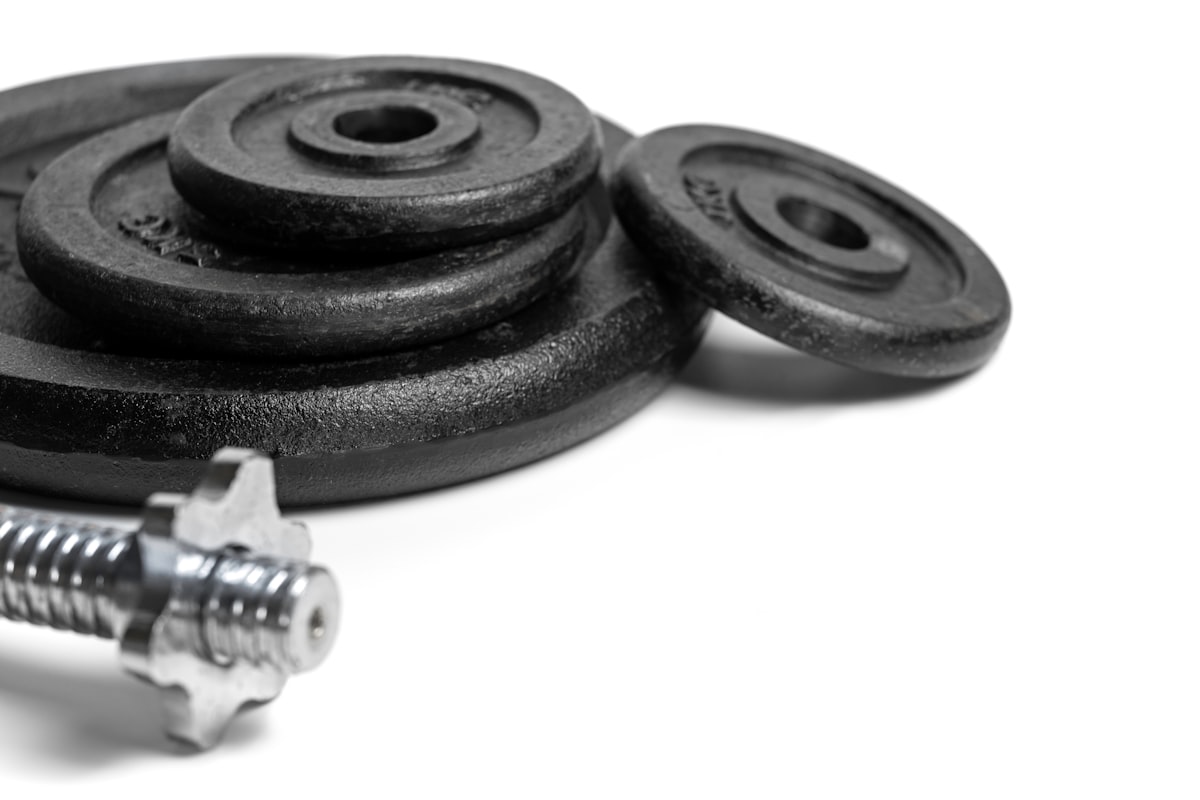
Consistent progressive overload over 12 weeks produces measurable strength improvements across all major lifts.
Exercise Form Guide

Barbell Back Squat
The squat is the fundamental lower body compound movement. Position the bar across your upper back, keep your chest upright, and descend until your hip crease reaches parallel with the floor. Drive through your midfoot to return to standing position.
- Depth: Hip crease at or below knee level
- Knees: Track over toes, don't collapse inward
- Stance: Shoulder-width with feet turned slightly outward

Barbell Bench Press
Lie flat on the bench with feet firmly planted. Grip the bar slightly wider than shoulder-width. Lower the bar to your mid-chest, pause briefly, then drive upward until elbows are fully extended but not locked out at the top.
- Grip: Hands wider than shoulders for chest activation
- Path: Lower in controlled arc to mid-chest area
- Setup: Shoulder blades retracted, feet on floor for leg drive

Conventional Deadlift
Stand with feet hip-width apart, bar over mid-foot. Bend at hips and knees to grip the bar. Keep your chest up and shoulders over the bar. Drive through your legs while maintaining a neutral spine, pulling the bar along your body until standing fully upright.
- Position: Bar over mid-foot, shoulder-width stance
- Spine: Neutral throughout, chest up from start to finish
- Path: Vertical bar path, friction against legs

Overhead Press
Stand with feet shoulder-width apart, core engaged. Hold the bar at shoulder level with elbows under the bar. Press the bar overhead in a vertical path, locking out with full elbow extension. Lower under control to shoulder height and repeat.
- Setup: Feet planted, core braced for stability
- Path: Vertical bar path, slight head tilt back at top
- Lockout: Full elbow extension at top of movement
Common Training Questions
Research suggests training each muscle group 2-3 times per week is optimal for strength and hypertrophy. This frequency allows adequate recovery between sessions while providing sufficient stimulus for adaptation. For beginners, full-body routines 3x per week achieve this naturally. Intermediate lifters benefit from upper/lower splits or push/pull/legs programs that hit muscles twice weekly with higher volume.
What Our Community Says
"Dietfitnessstrategy completely transformed how I approach nutrition and training. The science-backed strategies made everything click. Lost significant weight in 4 months while actually enjoying my meals."
Sarah Mitchell
Marketing Manager, Los Angeles
"As a busy professional, I needed something practical. The meal prep guides and workout templates saved me hours every week. Results spoke for themselves—stronger, leaner, and less stressed."
James Chen
Software Engineer, San Francisco
"I struggled with consistency for years. Dietfitnessstrategy's community aspect kept me accountable. Now I'm in the best shape of my life at 42. It's never too late."
Emma Rodriguez
Teacher, Austin
Ready to Transform Your Body?
Join thousands who've already reclaimed their health and confidence. Start your science-backed fitness journey today with Dietfitnessstrategy.
No credit card required. Access basic strategies immediately. Premium content unlocks in 7 days.